Surface
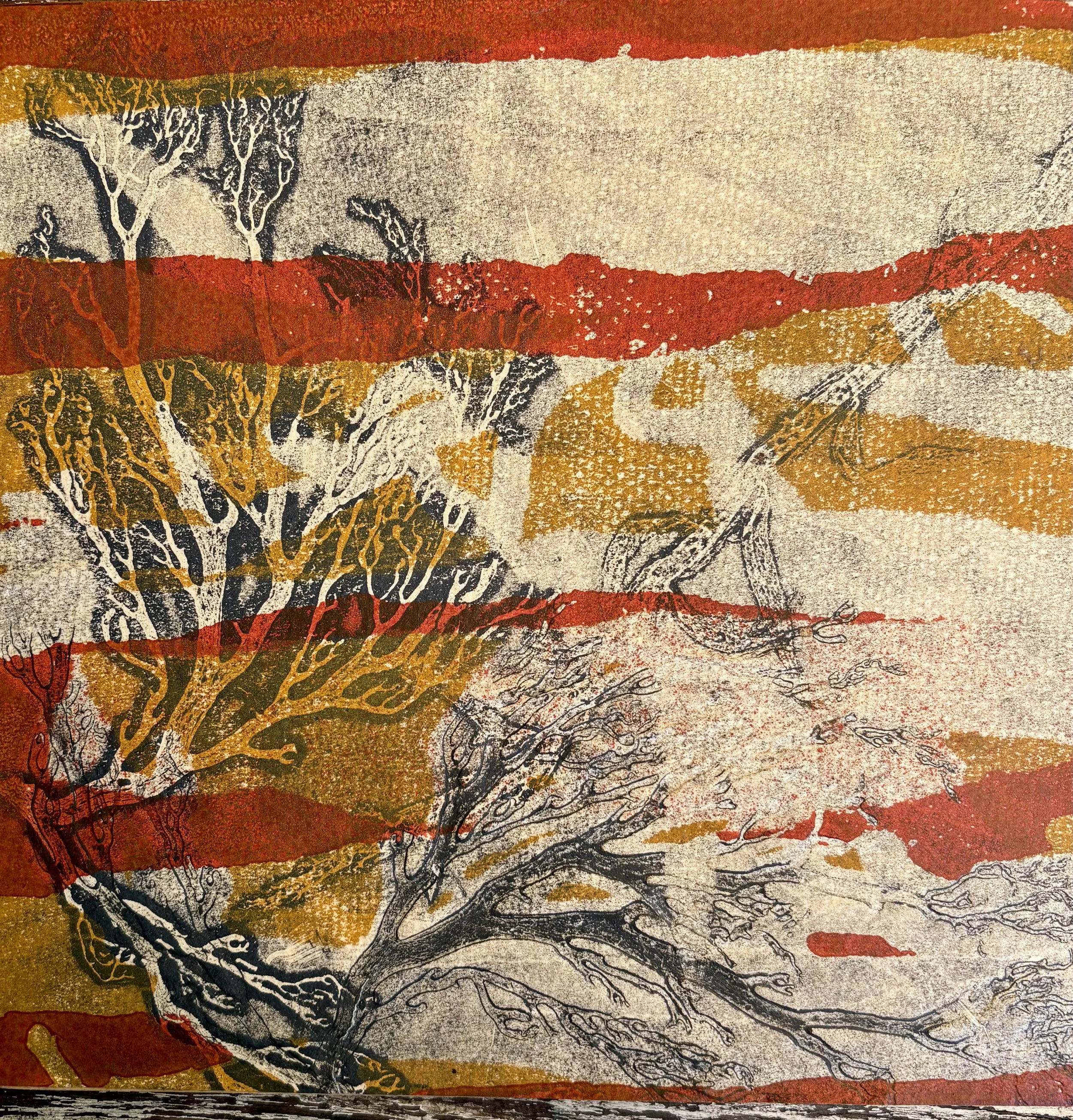
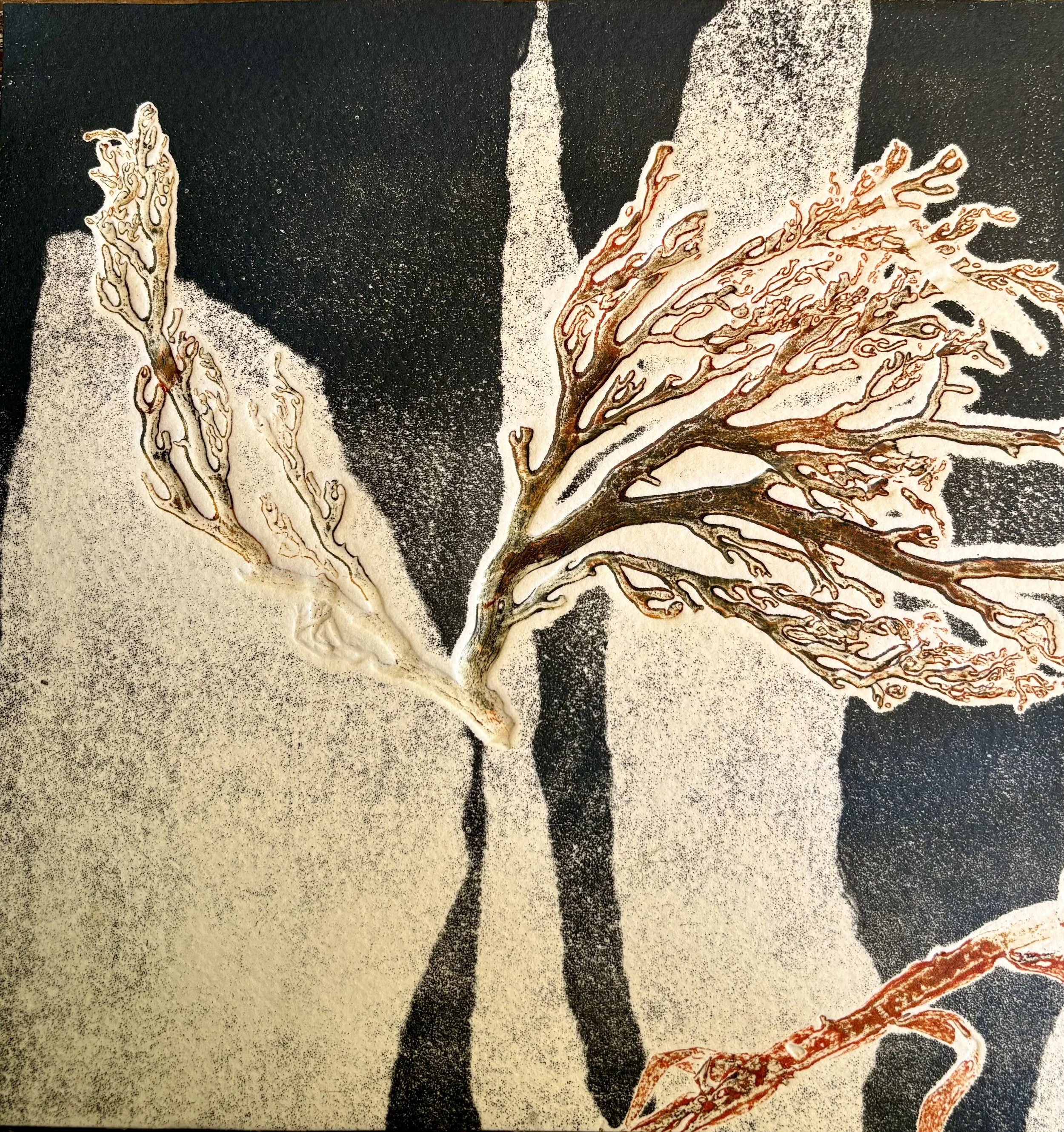
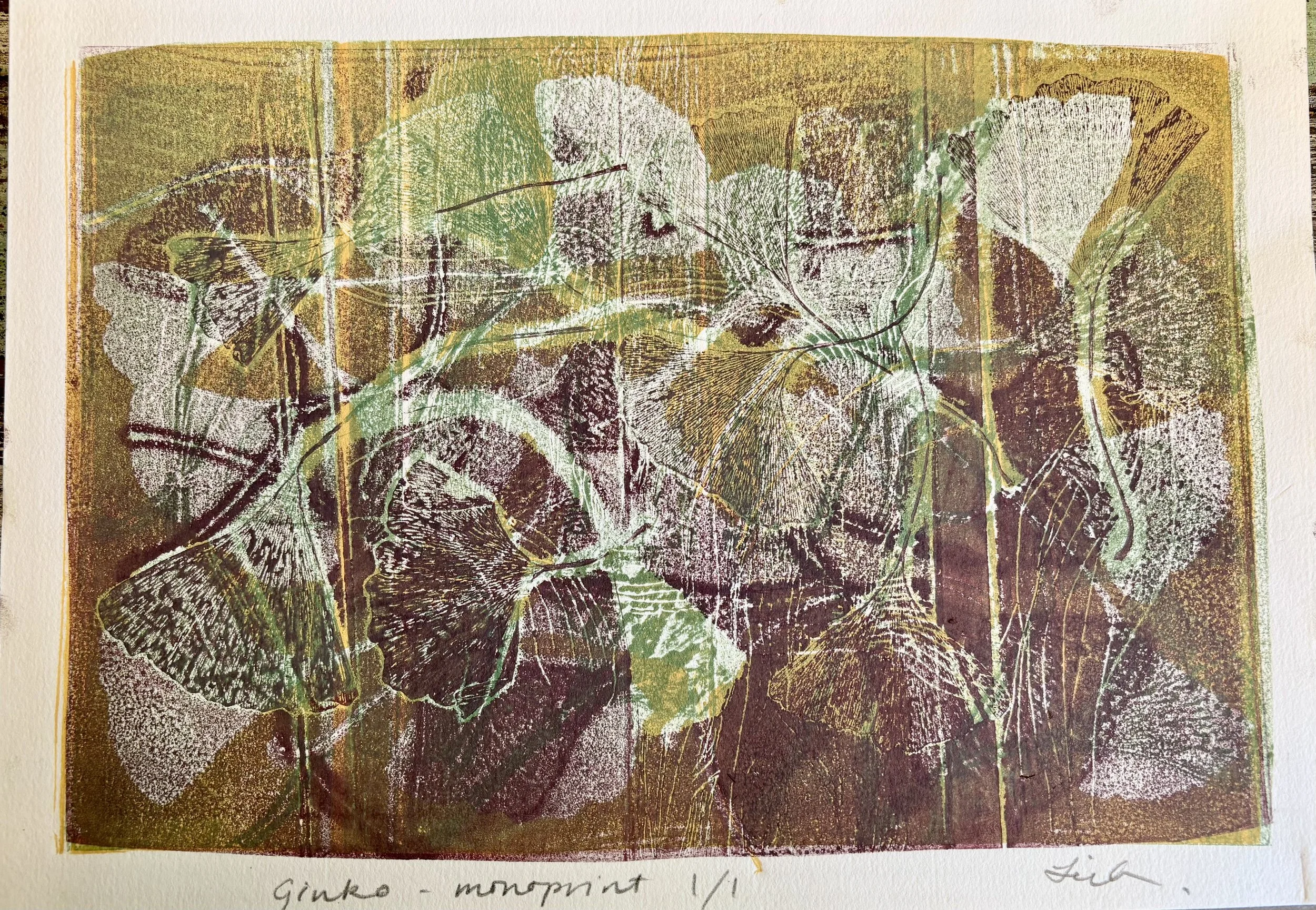
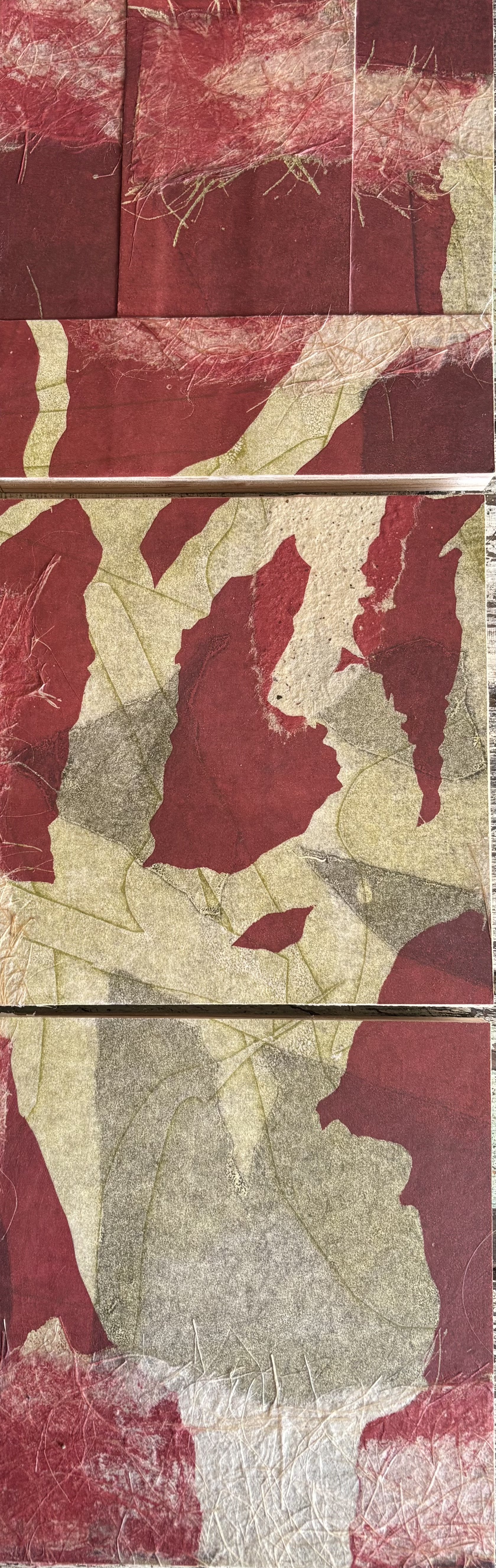
My art practice explores and expresses the notice of Essence, (that by which it is what it is), through the process of printmaking. I like to think of essence as a quality that cannot be pulled apart or lessened through interpretation.
Yet essence is also mutable and alive and behind essence is emptiness.
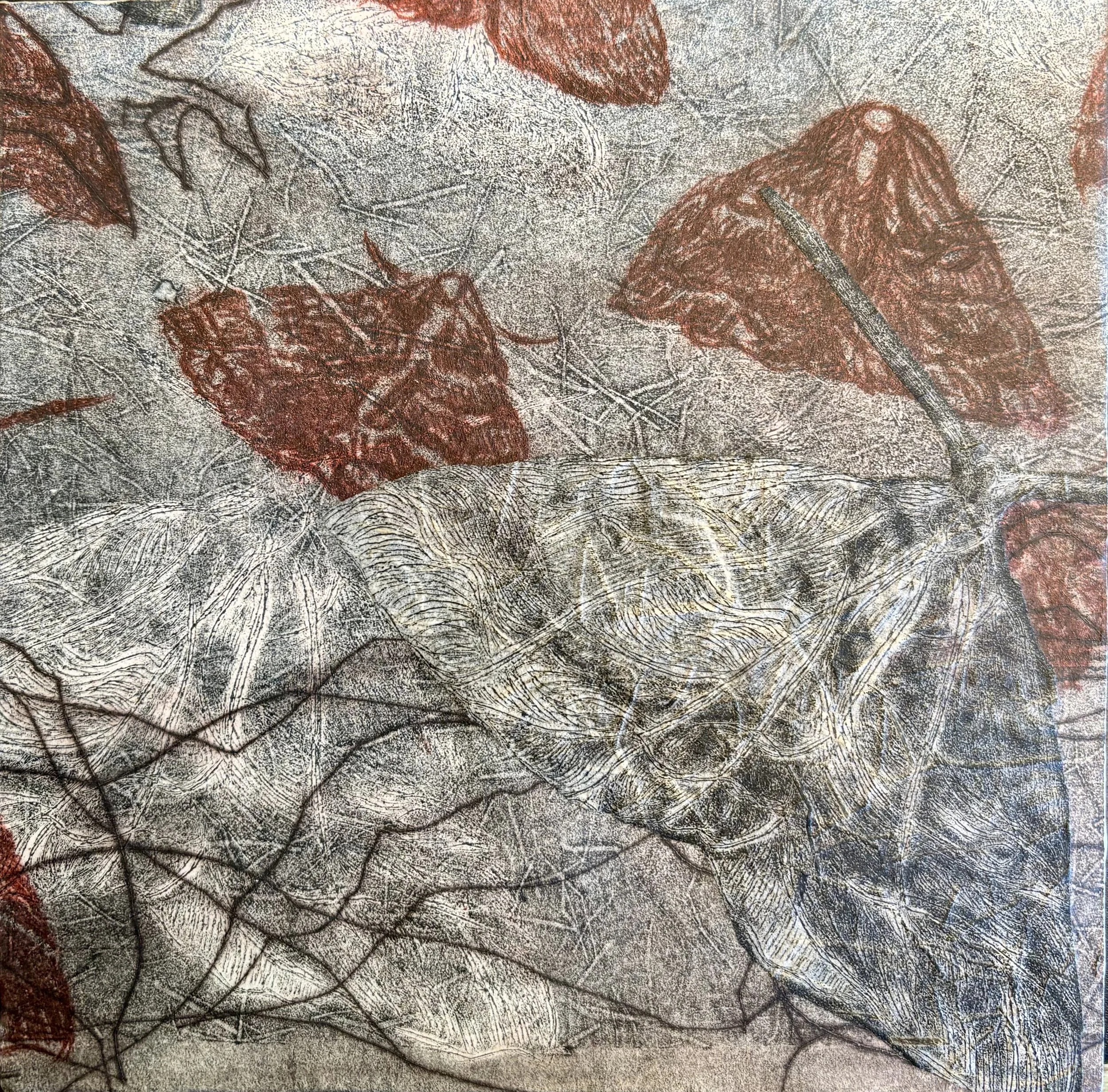
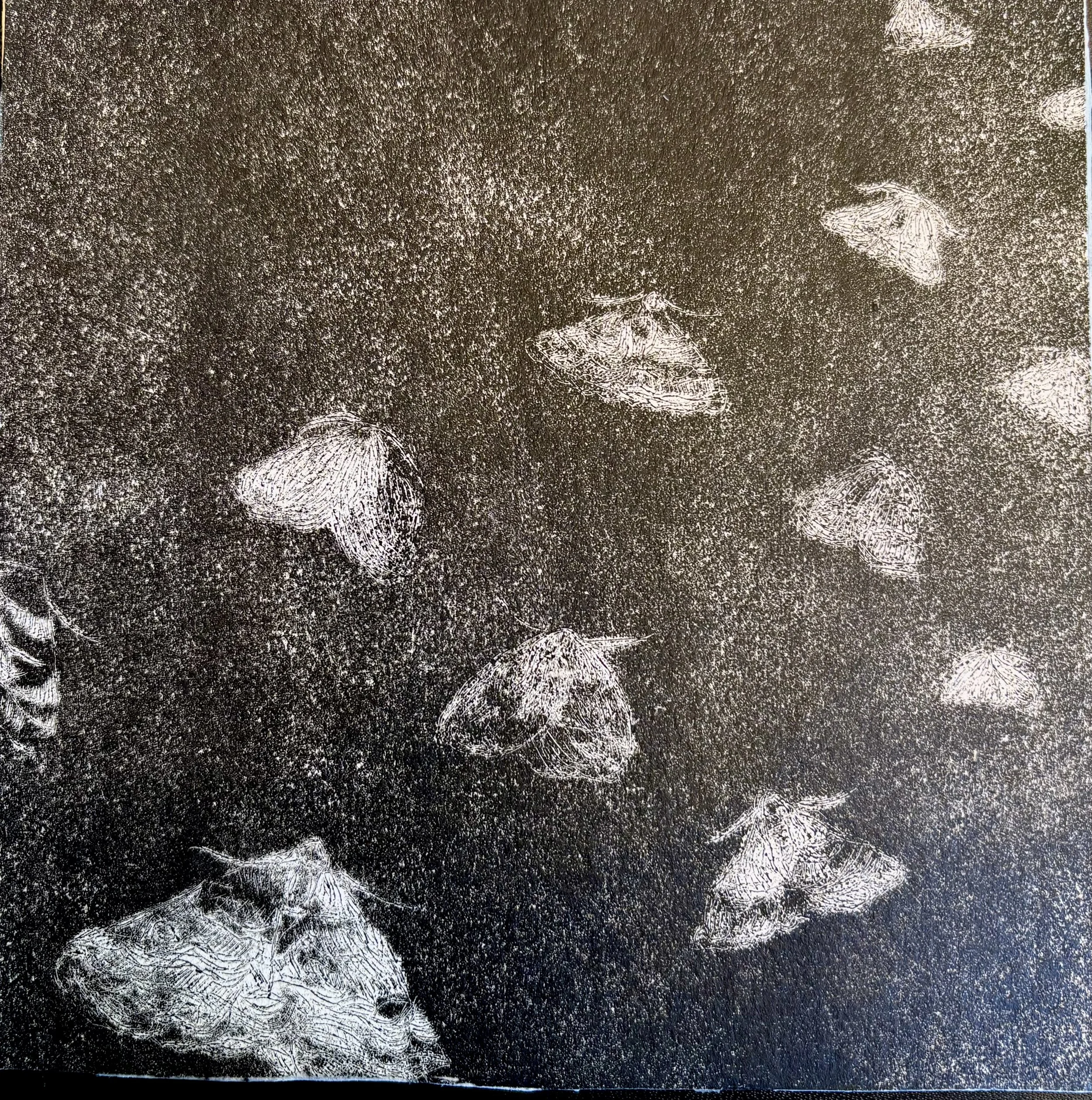
In this exhibition I have played with surfaces where gesture conveys essence. Through layering and sometimes ghosting an image I convey an inner hidden quality.
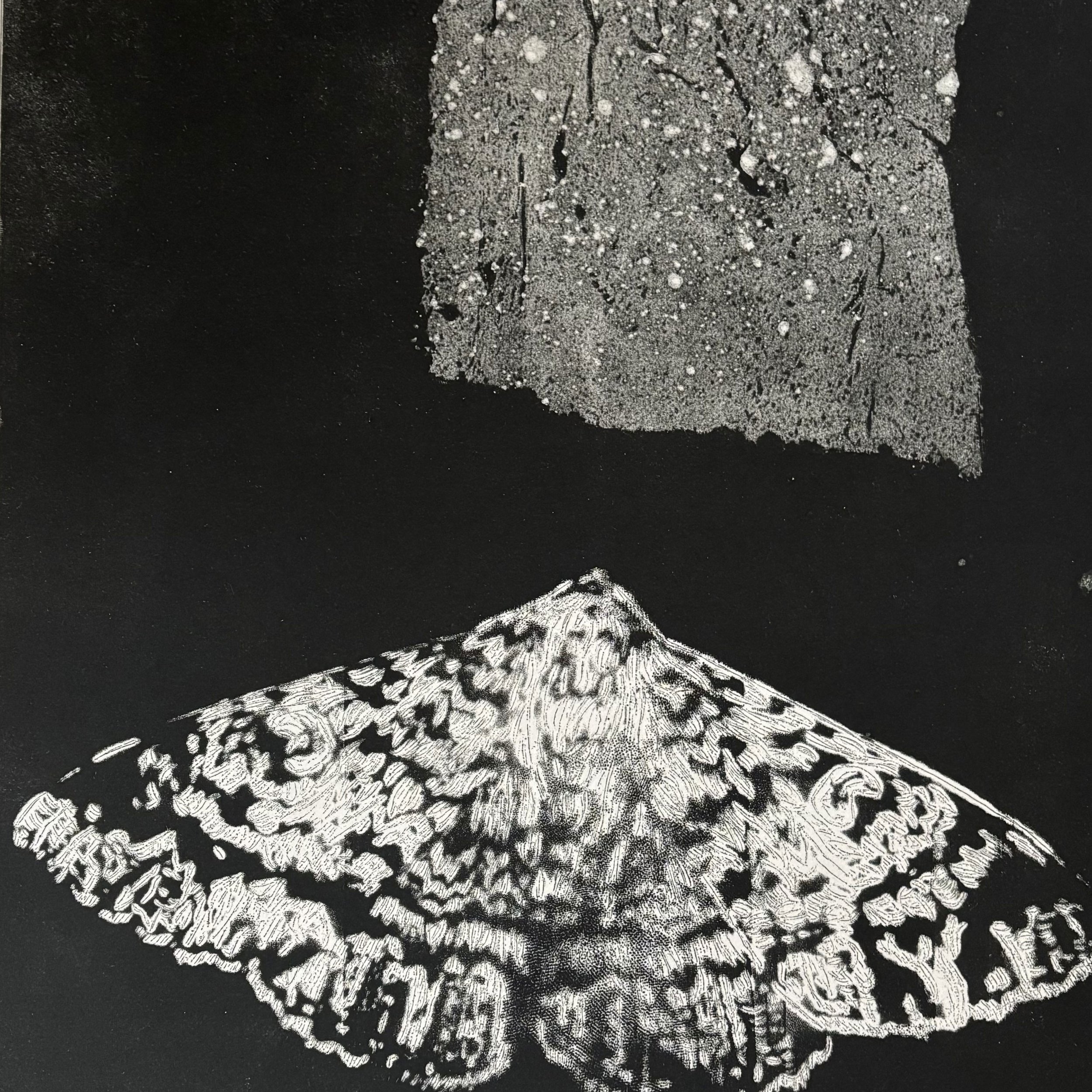
Moth series
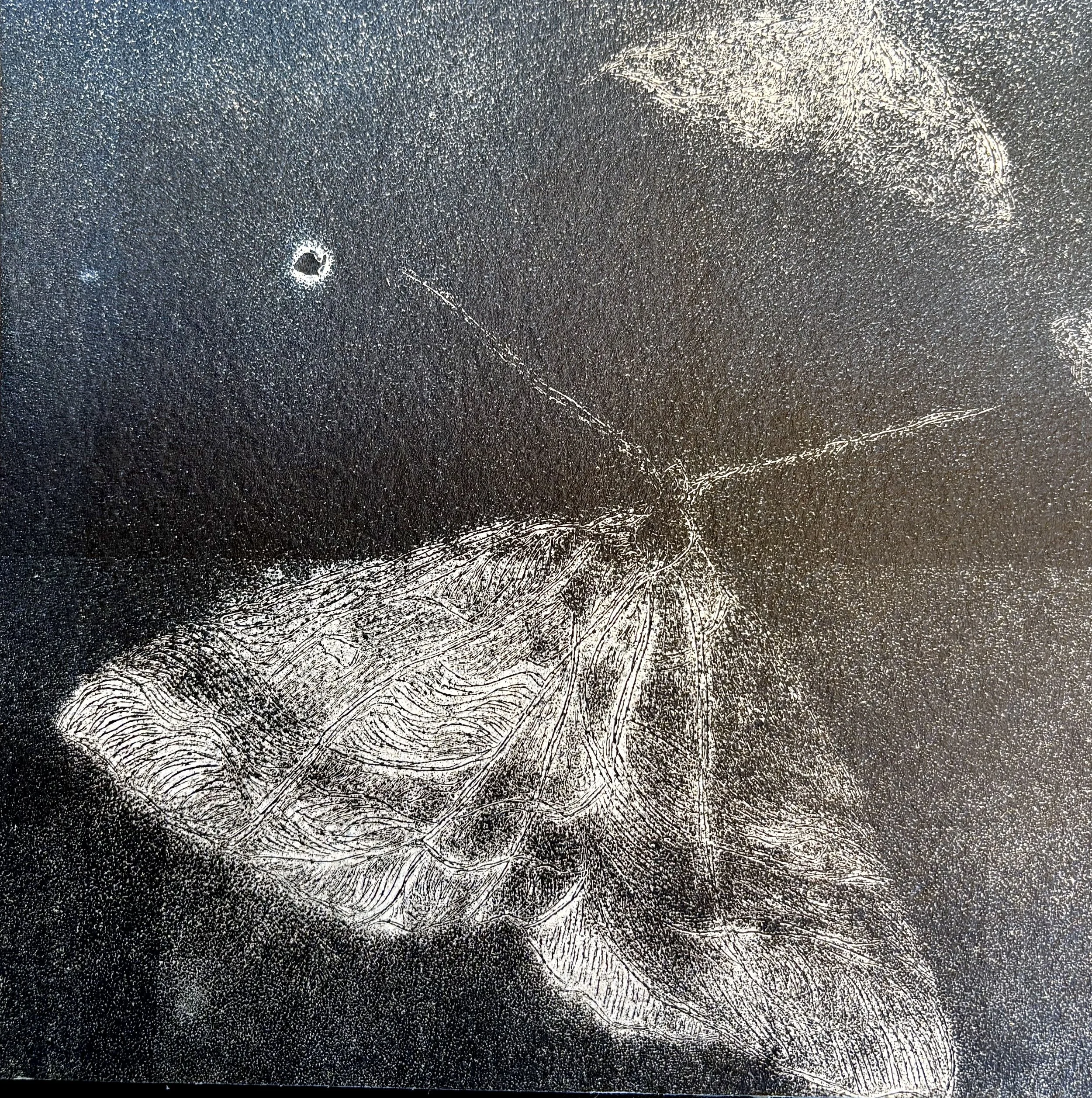
Reflections series
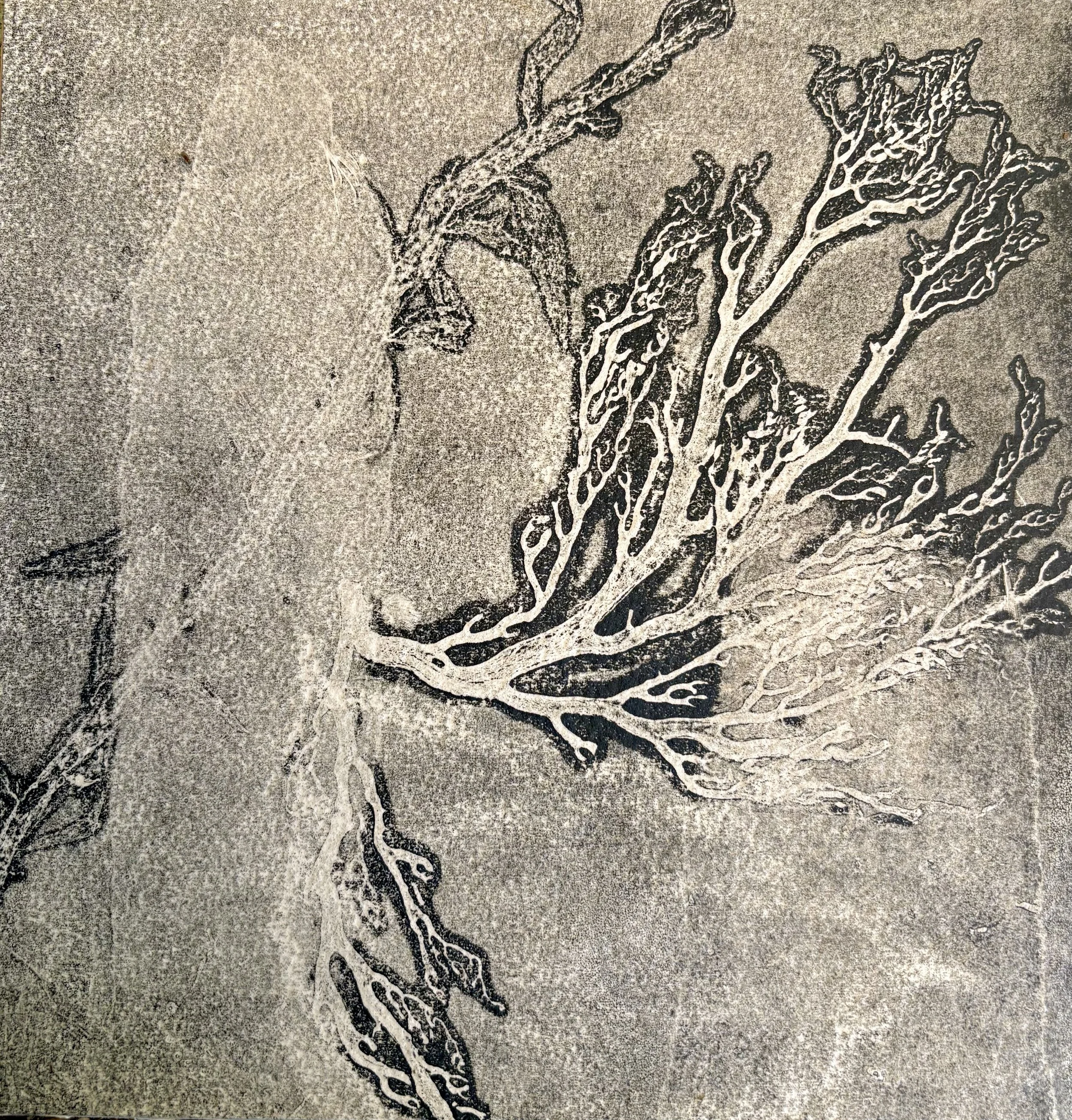
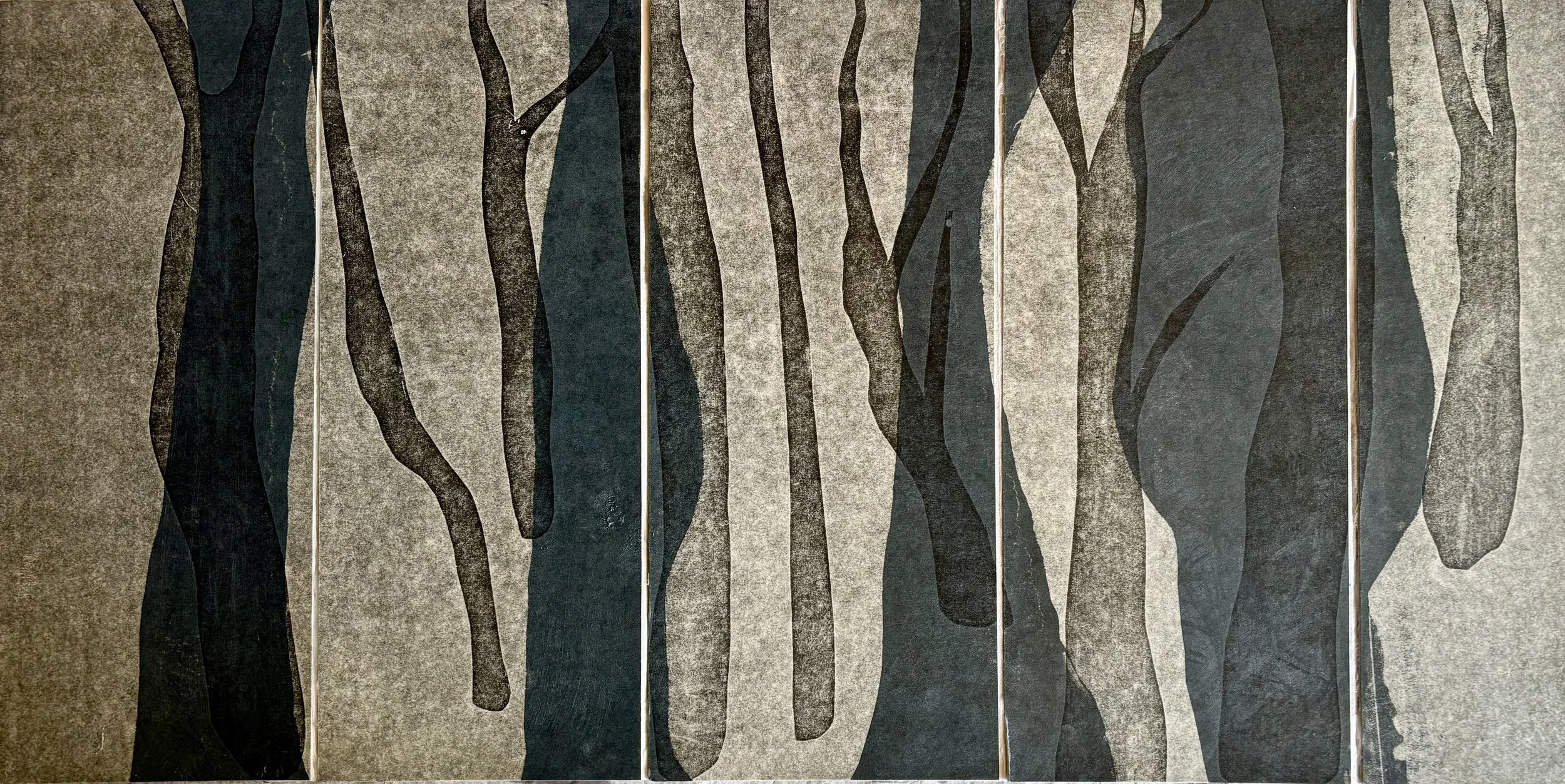
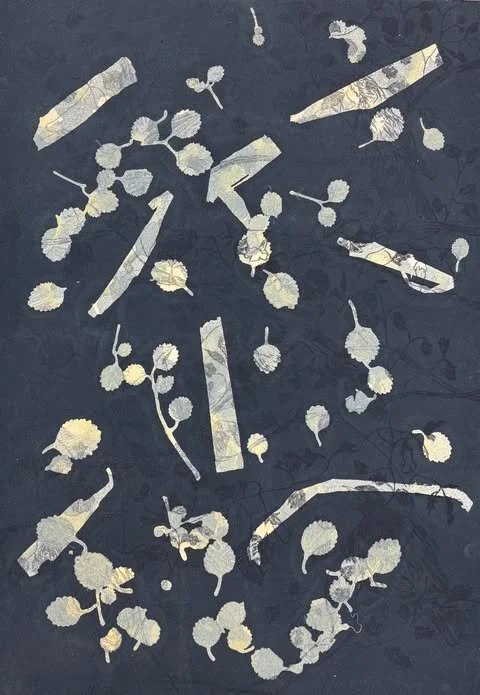
Paper Moth
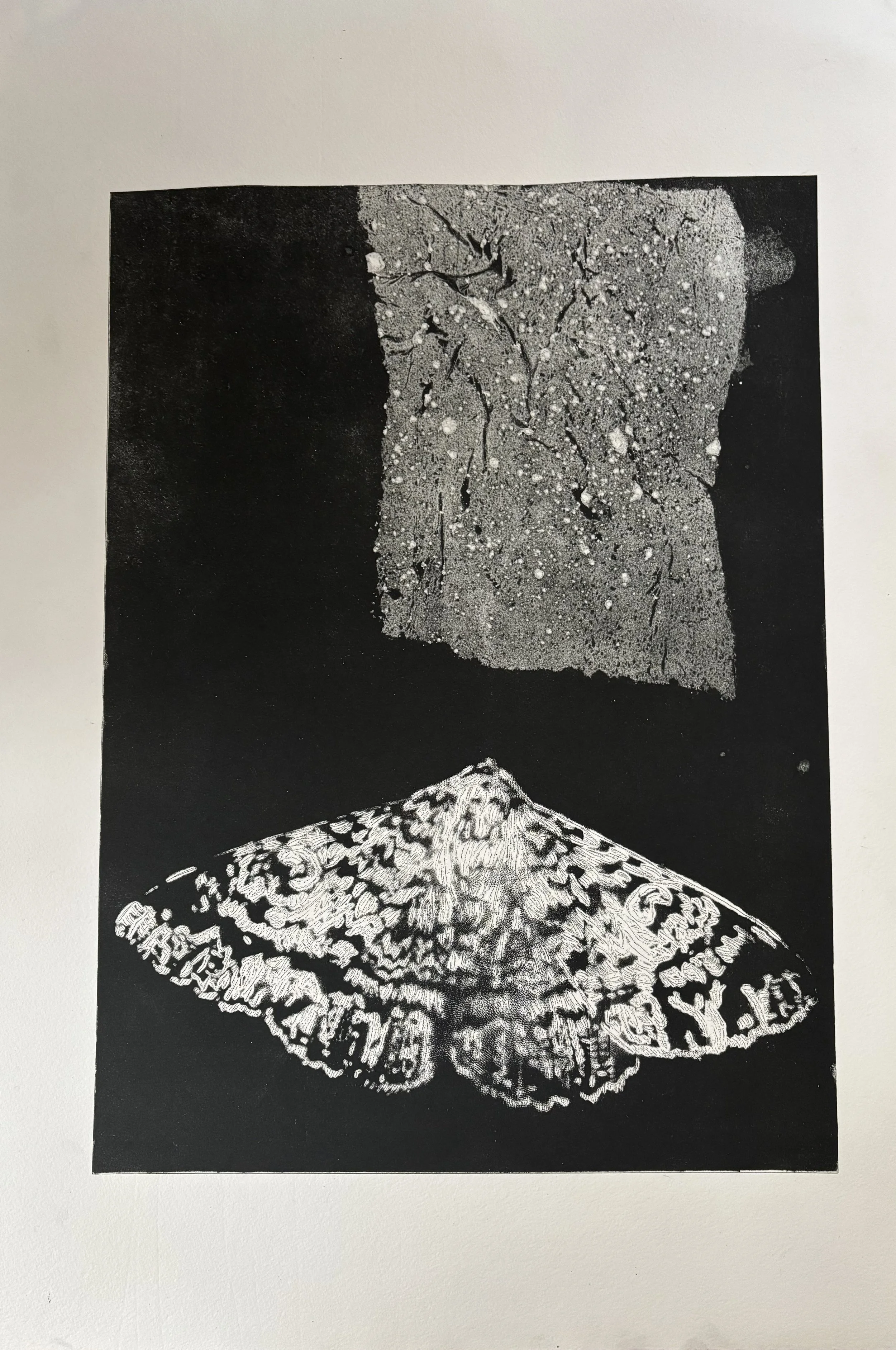
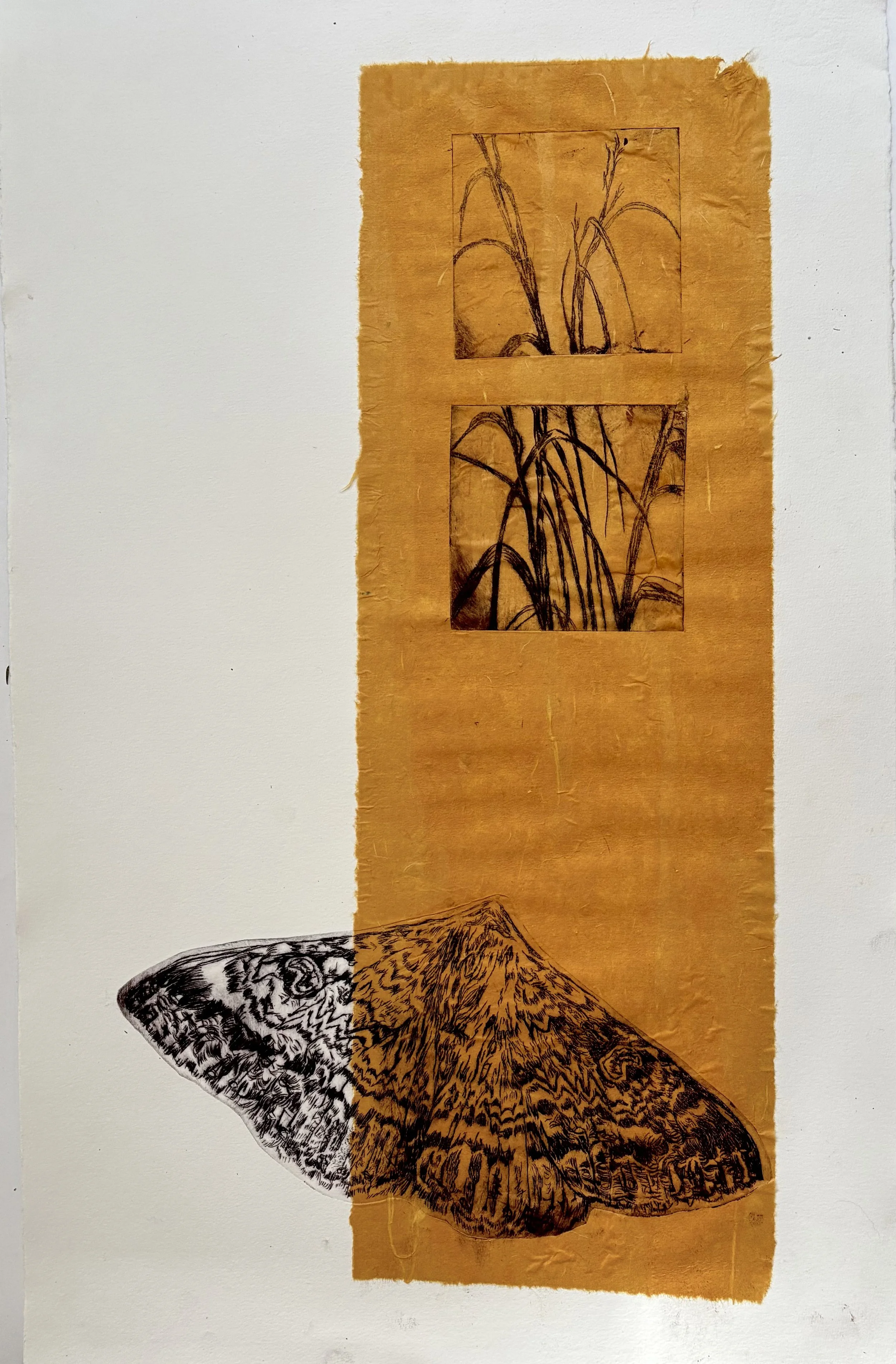
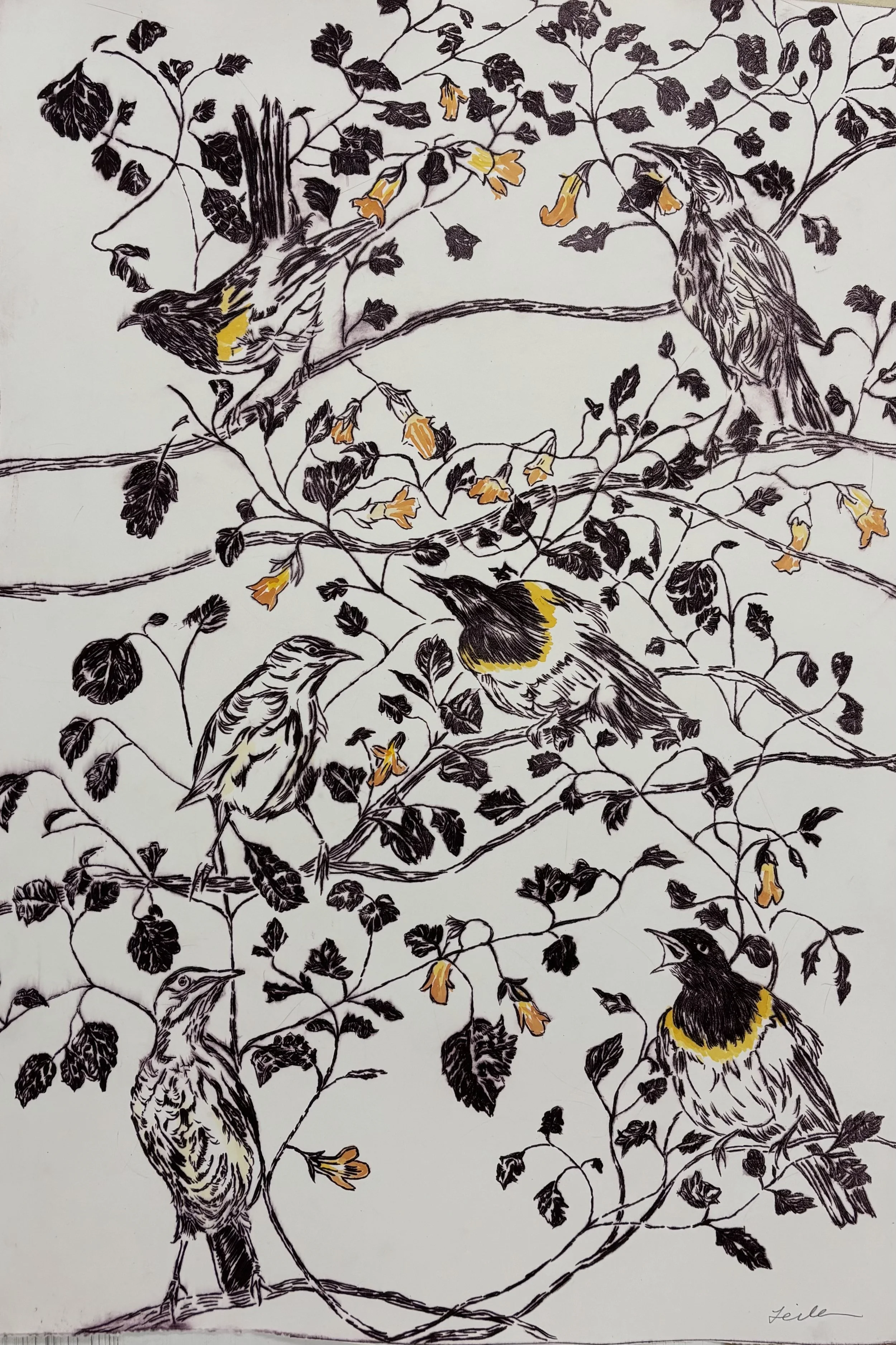
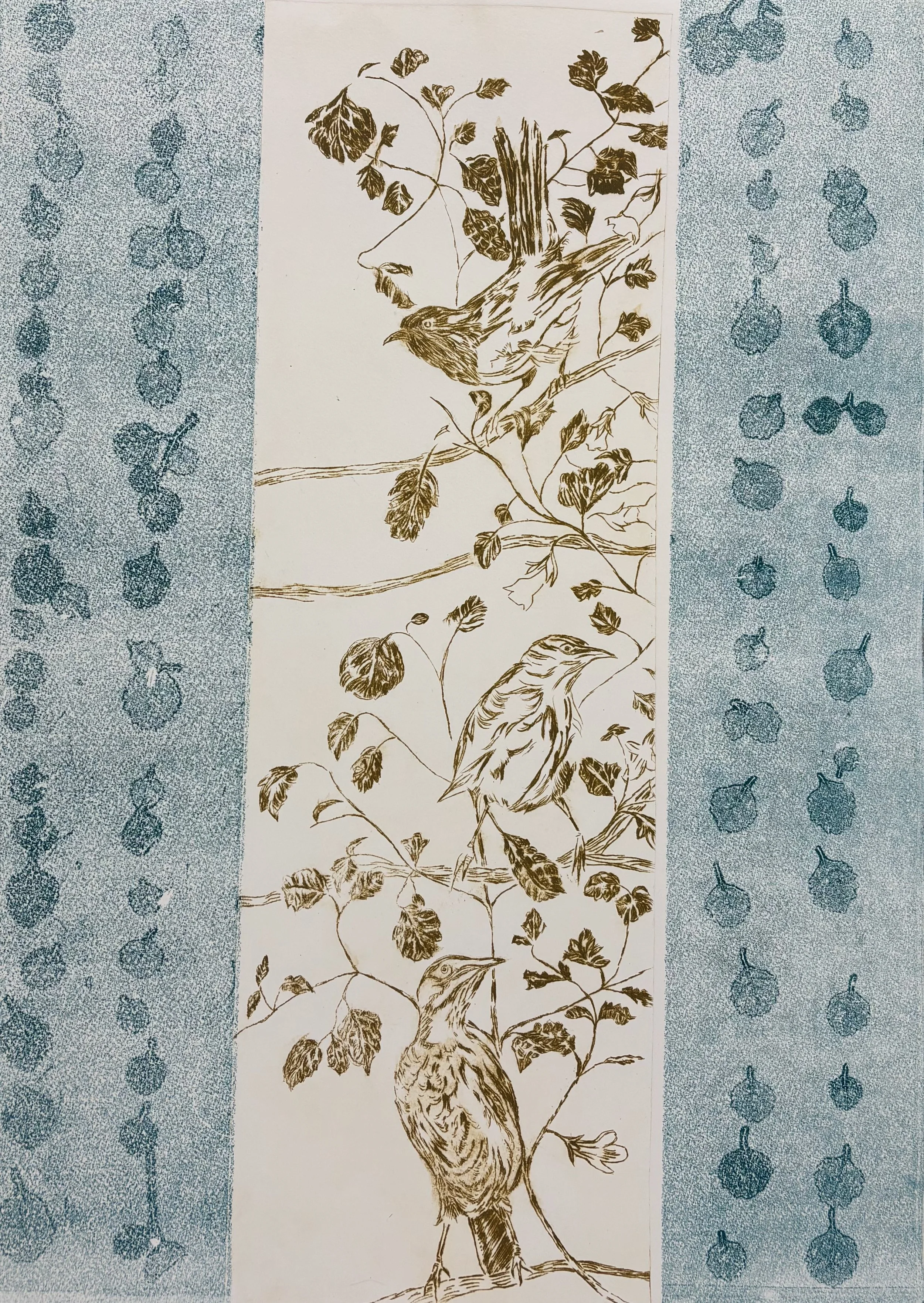
Hidden Harmony - Hihi and Taurepo
Three individual, theme connected pieces.
Size: each piece 420 mm x 594 mm (unframed)
Approximately 500 mm x 680 mm framed
Medium: Drypoint and monoprint on Hahnemühle paper
I was lucky to discover on Waiheke, growing naturally on the steep cliffs of a dried water way, Taurepo (Rhabdothamus solandri). Taurepo is a little twiggy shrub with grey-green leaves and stems. It has outstanding trumpet shaped orange flowers striped with yellow. It grows in the shade and yet the flowers are bright and delicately shining in the dark rocky enclaves that I found it in. This little plant I was to find out is a new comer in the the evolution of our endemic plant species and was often pollinated by hihi one of our unique and oldest birds. The hihi, one of New Zealand’s rarest birds, has traditionally been placed in the Meliphagidae (honeyeater) family along with the bellbird and the tūī. However, apart from diet, hihi share few qualities with tūī and bellbird, and recent DNA analysis confirms that hihi are the sole representative of another bird family (Notiomystidae) found only in New Zealand, whose closest relatives are the iconic wattlebirds that include kokako, saddleback and the extinct huia.
In pre-European times Hihi were found throughout the North Island and the surrounding islands. I think it would have been prolific on Waiheke Island right up until 1830s. It became extinct on the mainland in 1883 with the only naturally surviving population of hihi found on Te-Hauturu-o-Toi (Little Barrier Island) in the Hauraki Gulf. When I came to create these pieces, I found my first designs reminiscent of wallpaper in the 1880s – I thought of William Morris, his abstraction of natural forms that stemmed from direct observation of the organic shapes and curves of the flora and fauna around him and as I read the history of wallpaper, its production and use became popular at the same time as the hihi became extinct in the North Island.
To Māori, ‘hihi’ was a term used for the healing rays of sunlight. The shoulders of the male hihi would light up in a burst of yellow as these birds darted through the trees and were said to be carriers of the sun - capturing the healing rays and spreading light through the forest. As one of the first species to vanish from mainland bush, these sensitive birds can be an indicator of forest health and a test of ecological restoration. For these reasons, hihi symbolise life, vigour, and health of the forest. I hope that one day hihi will once more occupy this island bringing health to our forests here. These three artworks explore the journey off hihi from the past, the present and the future.